


Metals & Mining Industry
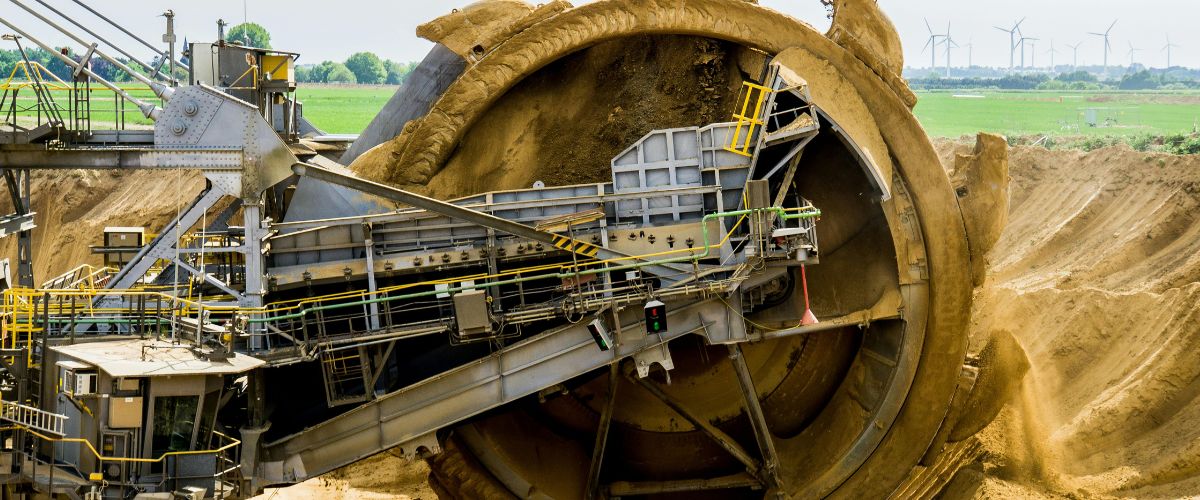
Image Courtesy: Pexels


The mining industry has traditionally relied on labor-intensive processes and heavy machinery operating in challenging environments. However, rapid technological advancements are reshaping the sector. Today, mining automation is playing a crucial role in transforming traditional mining operations into digitally connected and highly efficient systems.
By integrating advanced technologies such as artificial intelligence, Internet of Things (IoT) devices, and autonomous machinery, mining companies are improving productivity, enhancing safety, and gaining deeper insights into their operations.
The Role of Automation in Modern Mining Operations
One of the primary ways mining automations is driving digital transformation is through the deployment of autonomous equipment. Automated haulage trucks, drilling systems, and robotic machinery are increasingly being used to perform tasks that were previously handled manually.
Autonomous systems can operate continuously with minimal human intervention, which significantly increases productivity and reduces operational delays. These systems also optimize routes and workloads, improving fuel efficiency and reducing overall operational costs.
Real-Time Data and Connected Mining Systems
Digital transformation in mining is also powered by real-time data collection. Through IoT-enabled sensors and connected equipment, mining companies can monitor equipment performance, environmental conditions, and operational processes across their sites.
These connected systems allow organizations to collect large volumes of operational data and analyze it instantly. With mining automation, this data-driven approach helps operators detect inefficiencies, monitor production levels, and make informed decisions that improve overall performance.
Predictive Maintenance and Reduced Downtime
Equipment failures can cause significant disruptions in mining operations. One of the major advantages of mining automation is the ability to implement predictive maintenance strategies.
Using data collected from sensors and monitoring systems, companies can identify early signs of equipment wear or malfunction. Advanced analytics tools analyze this information to predict potential failures before they occur.
Remote Operation and Centralized Control
Another major development enabled by mining automation is the use of remote operation centers. Instead of requiring workers to be physically present at remote mining sites, companies can now monitor and control operations from centralized locations.
Operators can manage drilling systems, monitor equipment performance, and oversee production processes from advanced control centers. This capability improves operational efficiency while allowing mining companies to manage multiple sites simultaneously.
AI and Advanced Analytics in Mining
Artificial intelligence is becoming an essential part of modern mining automation systems. AI-driven tools analyze large datasets to improve geological modeling, orebody estimation, and resource planning.
These technologies help mining companies identify the most efficient extraction strategies while reducing waste and improving resource utilization. Machine learning algorithms can also identify patterns within operational data, enabling companies to optimize processes and improve long-term productivity.
Improving Safety and Sustainability
Safety has always been a major concern in mining operations. By implementing mining automation, companies can significantly reduce the exposure of workers to hazardous environments such as unstable underground tunnels or high-risk machinery zones.
Automation supports sustainability goals by improving energy efficiency, reducing fuel consumption, and enabling better resource management. These improvements help mining companies operate more responsibly while meeting growing environmental expectations.
Conclusion
The mining industry is undergoing a major technological transformation as digital solutions reshape traditional operations. Mining automation is at the center of this change, enabling companies to adopt intelligent systems that improve efficiency, safety, and operational visibility. As digital technologies continue to evolve, mining automation will remain a key driver of innovation and long-term growth in the mining industry.
