


Agribusiness Industries
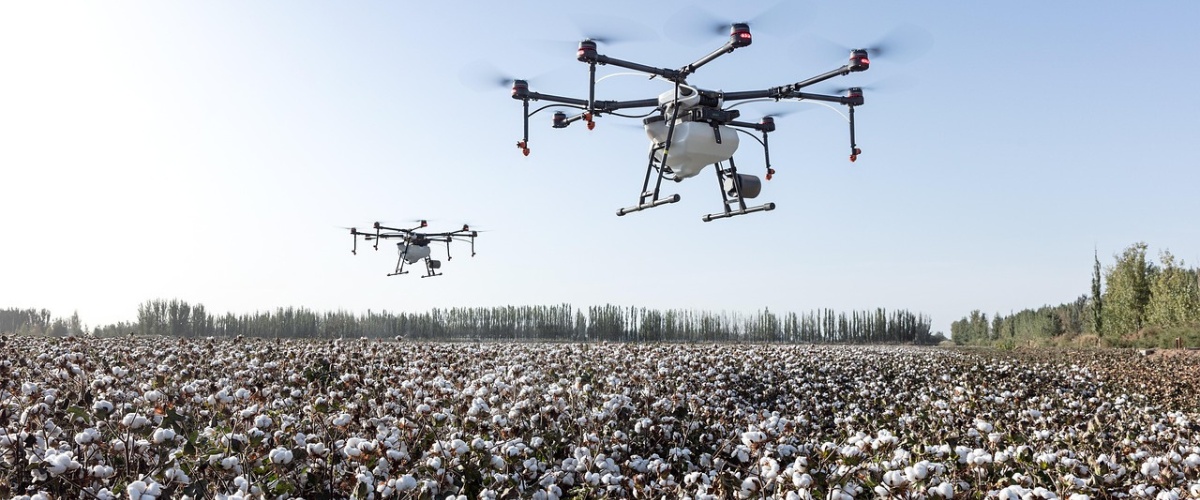
Image Courtesy: Pixabay


Precision agriculture technology has turned fields into manageable assets. Agribusiness industries across the United States and beyond no longer have to rely solely on seasonal changes and guesswork. This transformation reaches well beyond gadgets on tractors. It rewires how operators plan inputs, manage risk, monetize sustainability, and answer to investors. Below is a closer look at how this shift is unfolding and why it matters for every player ranging from the farmer to the distributor in the agribusiness chain.
Also Read: How AI and Machine Learning in Crop Prediction Supports Food Supply Chain Stability
Why Precision Agriculture Technology Is Rewriting the Agribusiness Playbook
Technological Assistance Is the New Topsoil
Modern-day farms are assisted by modern technology such as satellite imagery and telemetry equipment. Assistance from such technology leads to precision farming, the market of which is projected to reach $24.9 billion by 2030. Precision farming also facilitates variable rate application, enabling farmers to use their valuable fertilizers in the most essential parts of their field.
How Autonomous Machinery is Changing the Game
Autonomous technology, ranging from driverless tractors and robotic pesticide sprayers, works around the clock. Farmers using GPS-guided machinery and AI-based crop scouting can cover three times the farmland with only half the labor force. Precision agriculture technology turns labor scarcity from a bottleneck to a solveable problem, as rural workfroces continue to shrink across major producing regions.
Sustainability Becomes Profitability
Precision agriculture technology is a vital tool for achieving sustainable crop production and addressing the challenges of climate change and resource management. Soil health monitoring and microbial analysis help agribusiness work with sustainability in mind and obtain green loans and other ESG-linked premiums.
Insurance and Finance
Lenders and insurers use satellite-verified crop data to price loans and settle claims faster, reducing fraud and expanding credit access. Detailed information about soil conditions, weather patterns, and crop health can also lead to more accurate risk assessments and tailored insurance policies.
The Way Forward for Agribusiness Leaders
Adoption of precision agriculture technology still varies widely. While 81% of farms above 5,000 acres have committed to modern-day robotics, only 36% of smaller operations report similar plans. Closing this gap calls for affordable hardware, blended finance, and farmer training programs that bridge the digital divide.
Conclusion
Precision agriculture technology is no longer a competitive edge; it is fast becoming a baseline expectation. From input efficiency to carbon monetization, agribusiness firms that embed data into every decision will lead, while those that fall behind face shrinking margins and tighter compliance pressure.
