


Building Materials Industries
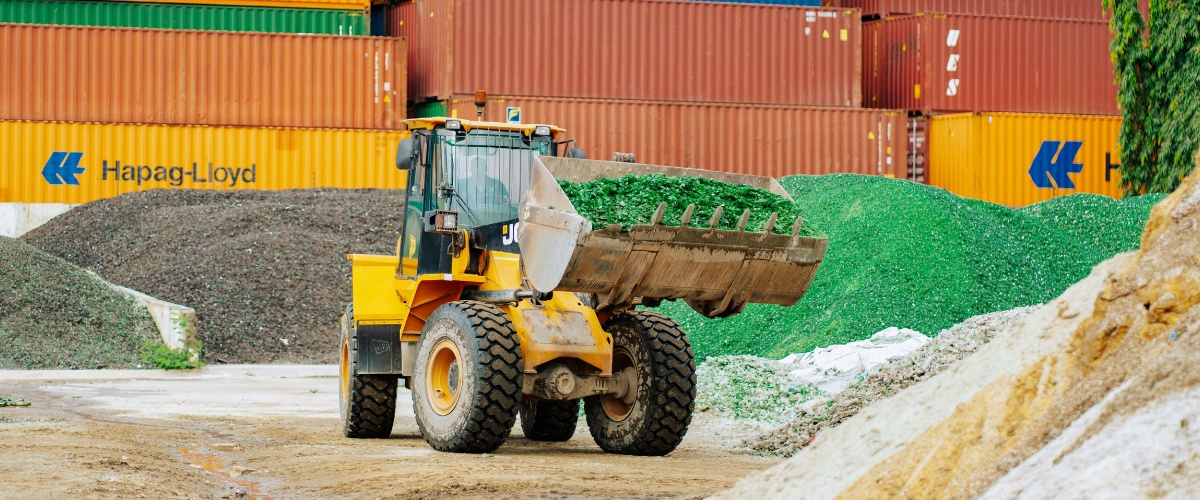
Image Courtesy: Pexels


The construction industry is under increasing pressure to reduce waste, lower carbon emissions, and build more responsibly. As sustainability becomes a priority for developers, architects, and manufacturers, recycled materials are gaining attention as a practical solution. Today, sustainable construction materials are evolving beyond traditional options, with recycled resources playing a major role in innovation.
From recycled concrete and steel to reclaimed wood and plastic-based building products, sustainable construction materials help the industry rethink how buildings are designed and constructed. These innovations not only reduce environmental impact but also create new opportunities for efficiency and performance.
Why Recycled Materials Are Gaining Momentum
Construction projects generate significant amounts of waste every year. Instead of sending valuable materials to landfills, many organizations are finding ways to reuse and repurpose them.
This shift is accelerating the development of sustainable construction materials that support circular economy principles. By keeping materials in use for longer, the industry can reduce resource consumption while minimizing waste.
Recycled Concrete Is Creating New Opportunities
Concrete remains one of the most widely used construction materials in the world. However, traditional concrete production contributes significantly to carbon emissions.
Manufacturers are now incorporating recycled aggregates into new concrete products. These sustainable construction materials help reduce demand for virgin resources while maintaining structural performance for many applications.
Reclaimed Wood and Recycled Steel Are Supporting Greener Projects
Builders increasingly use reclaimed wood and recycled steel in commercial and residential developments. These materials offer durability, aesthetic appeal, and environmental benefits.
As demand for sustainable construction materials grows, recycled steel and reclaimed timber provide practical ways to lower the environmental footprint of building projects without compromising quality.
Innovation Is Expanding Material Possibilities
Advancements in manufacturing technology are creating entirely new categories of sustainable construction materials. Recycled plastics, industrial byproducts, and composite materials are now being transformed into products suitable for walls, insulation, flooring, and structural components. These innovations demonstrate how recycled resources can contribute to both sustainability and performance goals.
Supporting ESG and Green Building Objectives
Many developers now prioritize environmental, social, and governance (ESG) goals alongside project performance. Sustainable construction materials made from recycled content help organizations support green building certifications and demonstrate environmental responsibility. This growing focus on sustainability is driving continued investment in recycled material innovation across the construction sector.
Conclusion
Recycled resources are changing the way the construction industry approaches material selection and innovation. By transforming waste into valuable building products, sustainable construction materials help reduce environmental impact while supporting efficient and responsible construction practices.
As sustainability goals continue to shape the future of the industry, sustainable construction materials developed from recycled resources will play an increasingly important role in creating smarter, greener, and more resilient buildings.
