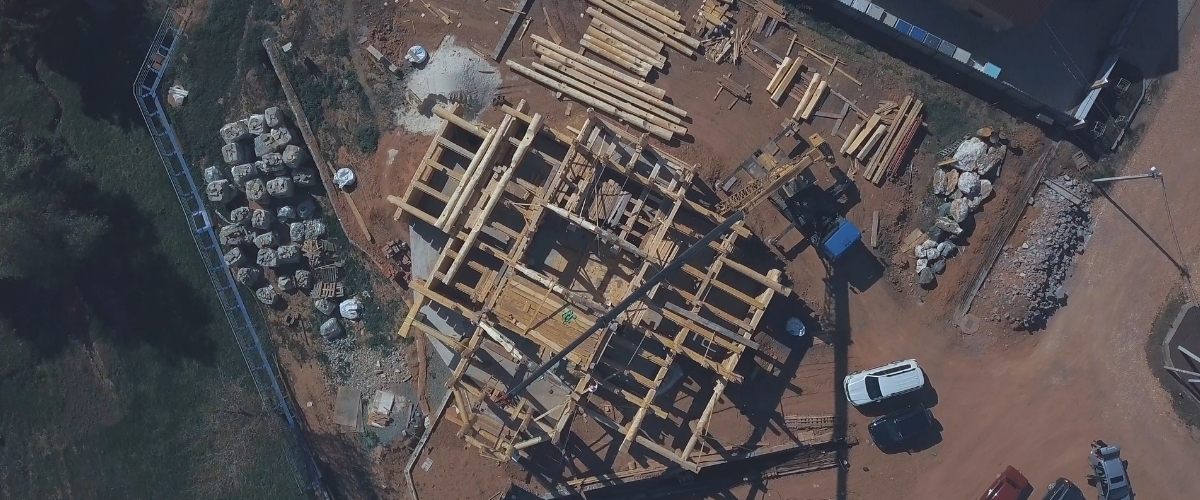





Construction firms are under growing pressure to reduce environmental impact while delivering projects on time and within budget. Although sustainable construction materials have become an important part of modern building strategies, sourcing them is not always straightforward. Limited manufacturing capacity, fluctuating demand, longer certification processes, and supply chain disruptions can extend project timelines. Rather than abandoning sustainability goals, contractors are changing how they plan, procure, and collaborate to minimize delays without sacrificing performance.
Also Read: Using Green Building Materials: What Works and What Fails
Why Sustainable Materials Can Slow Down Projects
Project delays rarely stem from a single issue. In many cases, multiple factors affect the availability of materials before construction even begins.
Longer Lead Times Are Reshaping Procurement
Many sustainable construction materials, such as low-carbon concrete, recycled steel, engineered timber, and specialty insulation products, require specialized manufacturing or are sourced from a smaller network of suppliers. Unlike conventional materials, these products may not be readily available, making procurement schedules less predictable. Contractors are increasingly ordering critical materials months earlier to reduce the risk of shortages.
Product Verification Takes Time
Many commercial projects require environmental product declarations (EPDs), lifecycle assessments, or third-party certifications before materials can be approved. While these documents support sustainability objectives, obtaining and verifying them can delay purchasing decisions if requirements are not addressed early in the design phase.
Contractors Are Shifting Their Procurement Strategy
Rather than treating procurement as a late-stage activity, contractors are integrating material planning into the earliest stages of project development.
Supplier Collaboration Starts Earlier
Contractors are involving manufacturers and suppliers during preconstruction to confirm production capacity, delivery schedules, and alternative material options. Early collaboration reduces surprises later in the project and improves schedule reliability when sustainable construction materials are specified.
Flexible Specifications Reduce Risk
Design teams are increasingly approving multiple equivalent materials instead of relying on a single product. This approach allows contractors to adapt if one supplier experiences production or transportation delays while still meeting project performance and sustainability goals.
Digital Planning Is Improving Material Visibility
Technology is helping contractors make more informed procurement decisions before delays affect construction schedules.
Real-Time Supply Chain Data Supports Better Decisions
Digital procurement platforms and building information modeling (BIM) tools provide greater visibility into supplier inventories, lead times, and logistics. Access to real-time information enables project teams to identify potential bottlenecks early and adjust schedules or sourcing strategies accordingly. This helps organizations maintain momentum while continuing to prioritize sustainable construction materials.
Conclusion
As demand for greener buildings continues to grow, material availability will remain a key factor in project success. The challenge is no longer deciding whether to use sustainable construction materials but learning how to source and manage them more effectively. Contractors that plan procurement earlier, strengthen supplier partnerships, leverage digital supply chain insights, and build flexibility into project specifications will be better equipped to manage delays without compromising sustainability objectives. In today’s construction environment, proactive material planning is becoming just as important as innovative building design.
