


Building Materials Industries
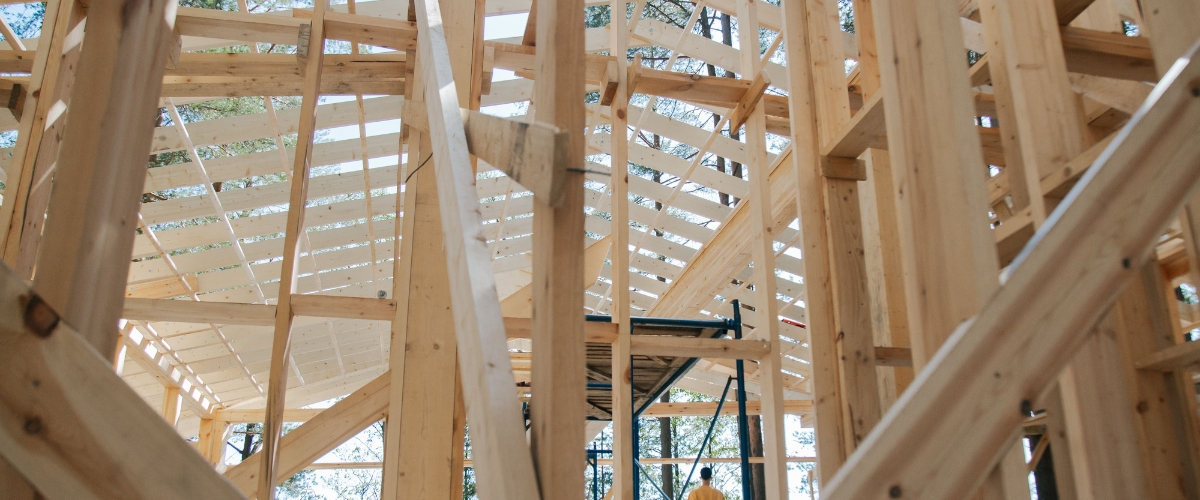
Image Courtesy: Pexels


Most buying guides judge a green product by where it came from. Far fewer ask where it goes when the building comes down. That second question now shapes the next generation of eco-friendly construction materials, as designers treat every beam, panel, and fastener as stock for a future project. This article covers the demolition problem, circular material traits, and early adopters.
Why Does Demolition Undercut Green Building Goals?
According to the EPA, the United States generated 600 million tons of construction and demolition waste in 2018, and more than 90% of it was produced by demolition. Picture a timber frame that stores carbon for decades, only to be crushed into landfill filler. The material did its job. The design did not. Most guides miss this point: a green label expires once a product becomes unrecoverable.
What Makes Eco-Friendly Construction Materials Truly Circular?
Circularity depends less on the raw material and more on how crews install it. Design for disassembly turns a building into a stockpile for future projects. Look for 4 traits:
- Reversible joints: Bolts and screws replace glue, foam, and wet mortar.
- Standard sizes: Panels and beams fit new floor plans without heavy recutting.
- Separable layers: Crews can pull insulation, sheathing, and structure apart cleanly.
- Material passports: Each component’s origin, grade, and carbon data are stored in a digital record.
Bolted mass timber and steel frames pass these tests far more easily than poured concrete.
Where Is This Trend Already Showing Up?
In 2026, trend trackers flagged a wave of reusable timber pavilions, including THE ICON in Davos, Switzerland, which splits into transportable modules. Portland, Oregon, became the first American city to require deconstruction instead of demolition for houses and duplexes built in 1940 or earlier. Salvaged lumber, doors, and fixtures are sent back into circulation, proving that eco-friendly construction materials can outlive the buildings they first serve.
Also Read: Top Sustainable Construction Materials for Building Eco-Friendly Homes
How Can Builders Prepare for the Next Wave of Eco-Friendly Construction Materials?
Start with the end of the building’s life. Ask suppliers whether they take materials back, write reversible connections into your specs, and log major components in a material passport. Tomorrow’s greenest buildings will not just use better materials. They will give them back. Audit your next project for disassembly before the design freezes, and turn future demolition waste into future inventory.
