


Building Materials Industries
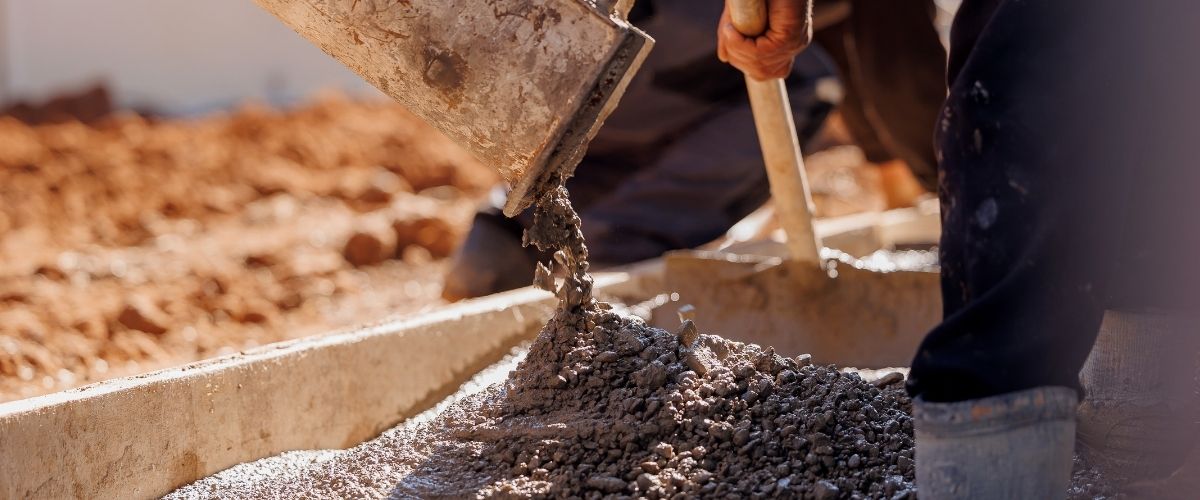
Image Courtesy: Shutterstock


What if the materials used to construct buildings could help remove carbon from the atmosphere instead of adding to it? As the construction industry looks for ways to reduce its environmental footprint, carbon-negative materials are gaining attention. From carbon-storing concrete to bio-based alternatives, this emerging approach is opening up new possibilities for Building Innovation.
What Makes a Building Material Carbon-Negative?
Most conventional building materials generate carbon emissions during extraction, manufacturing, transportation and installation. Carbon-negative materials aim to go a step further by storing or absorbing more carbon than they release across a defined lifecycle.
Some materials achieve this through natural carbon storage, while others use industrial processes to capture and lock away carbon. The goal is to move beyond simply reducing emissions and explore how construction materials can actively contribute to carbon removal.
From Hemp to Timber: Nature Is Inspiring New Materials
Bio-based materials are bringing fresh possibilities to sustainable construction. Hempcrete, for example, combines hemp shiv with a lime-based binder. The hemp plant absorbs carbon as it grows, and the resulting material can store some of that carbon.
Engineered timber is another example. When sourced responsibly, timber can store carbon absorbed during tree growth and offer an alternative to some emissions-intensive structural materials.
These developments show how natural resources can support Building Innovation while encouraging more thoughtful material sourcing and design.
Concrete Is Getting a Carbon-Conscious Makeover
Concrete remains essential to modern construction, but traditional cement production is a major source of industrial carbon emissions. Researchers and manufacturers are exploring alternatives that could change this equation.
Carbon-cured concrete uses captured carbon dioxide in the production process, where some of it can become permanently mineralised. Other approaches investigate alternative binders, recycled materials and mineralisation technologies.
Although not every low-carbon concrete product is carbon-negative, these developments are pushing the industry towards more climate-conscious manufacturing.
How Technology Is Accelerating Material Development
Material science, carbon capture and advanced manufacturing are creating new opportunities to develop and test carbon-storing products. Researchers can investigate alternative ingredients, improve production methods and assess how materials perform under different conditions.
Lifecycle assessments are equally important. They help determine whether a material genuinely stores more carbon than it generates by accounting for sourcing, manufacturing, transport, installation and end-of-life treatment.
This combination of research and measurement is making Building Innovation more focused on environmental performance rather than relying on sustainability claims alone.
Also Read: Self-Healing Concrete and Smart Materials: The Next Leap in Construction Technology
Can Carbon-Negative Materials Become the New Construction Standard?
The potential is significant, but wider adoption still faces challenges. Cost, material availability, building regulations, durability and performance standards all influence whether these alternatives can compete with conventional products.
Greater investment, transparent carbon accounting and collaboration between manufacturers, architects and construction companies will be essential. As these solutions mature, carbon-negative materials could become an important part of the industry’s wider decarbonisation strategy.
The next chapter of Building Innovation may not be defined only by stronger, lighter or smarter materials. It could also be shaped by materials that help leave a lighter environmental footprint on the planet.
