


Agribusiness Industries
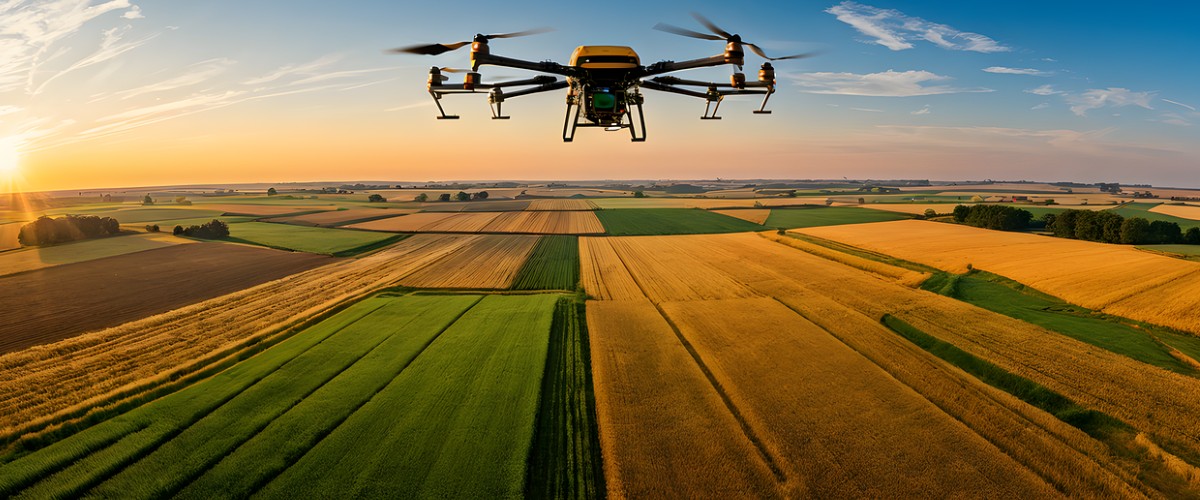
Image courtesy:Canva AI


Agriculture has always depended on experience, observation, and timing. Farmers traditionally read the sky, watched their soil, and relied on seasonal patterns passed down through generations. Today, those instincts are being supported by something new: machine learning. This technology is quietly reshaping how food moves from farms to consumers, making supply chains smarter, faster, and more resilient.
Machine learning, a branch of AI, allows computers to analyze large amounts of data and recognize patterns that humans might miss. In agriculture, this means everything from predicting crop yields to detecting plant diseases before they spread. The result is a more informed farming process and a supply chain that wastes less food while meeting demand more accurately. As a result, machine learning in agriculture is becoming an essential tool for modern farmers and food distributors.
Smarter Crop Predictions
One of the biggest challenges in agriculture is uncertainty. Weather changes, soil conditions vary, and pests can appear without warning. Machine learning models can process data from satellites, sensors, and historical weather patterns to help farmers anticipate these risks.
For example, platforms like Climate FieldView collect real-time field data and analyze it to help farmers decide when to plant, irrigate, or harvest. By predicting crop performance early in the season, farmers can make better decisions about fertilizer use and irrigation schedules.
This kind of insight does not just help farmers. It also helps food distributors and retailers prepare for supply changes months in advance. When producers know what their harvest will likely look like, the rest of the supply chain can plan accordingly. This growing reliance on machine learning in agriculture is making the entire food ecosystem more predictable and efficient.
Reducing Food Waste
Food waste is one of the biggest inefficiencies in the global supply chain. According to the Food and Agriculture Organization, roughly one-third of food produced globally is lost or wasted each year.
Machine learning tools are helping reduce this problem. Algorithms can analyze transportation data, storage conditions, and demand forecasts to ensure food reaches markets before it spoils. Predictive analytics also helps distributors determine the most efficient routes and storage strategies.
Companies like IBM have developed AI-powered platforms that track food across the supply chain, identifying potential bottlenecks before they become costly problems. This level of visibility allows businesses to move products faster and maintain freshness from farm to table.
Precision Farming in Action
Another area where machine learning is making a difference is precision agriculture. Instead of treating entire fields the same way, farmers can manage crops at a much more detailed level.
Tools powered by Microsoft FarmBeats combine data from drones, soil sensors, and weather stations. Machine learning models then analyze this data to recommend precise amounts of water, fertilizer, or pesticides for specific areas of a field.
The benefits are clear. Farmers reduce resource waste, lower operating costs, and protect the environment by using fewer chemicals. At the same time, crop quality improves, which ultimately benefits consumers. This is another practical example of how machine learning in agriculture is helping farmers operate more efficiently while maintaining sustainability.
Stronger and More Transparent Supply Chains
Machine learning also plays an important role in improving supply chain transparency. Retailers and consumers increasingly want to know where their food comes from and how it was produced.
Technologies developed by organizations like OpenAg Initiative focus on combining data science with agriculture to create more traceable and sustainable food systems. Machine learning helps analyze production and logistics data, giving stakeholders a clearer view of how food travels through the supply chain.
This transparency builds trust while helping companies identify inefficiencies or risks more quickly.
The Road Ahead
Machine learning is still evolving, but its influence on agriculture is already clear. As sensors become cheaper and data becomes easier to collect, farms of all sizes will gain access to powerful predictive tools.
In the coming years, agriculture will likely become one of the most data-driven industries in the world. Farmers will rely not only on experience but also on intelligent systems that help them respond quickly to changing conditions.
The result is a smarter journey from farm to market. Crops are grown more efficiently, supply chains become more responsive, and consumers benefit from fresher, more reliable food supplies. Machine learning is not replacing the farmer’s knowledge. Instead, it is strengthening it, helping agriculture meet the demands of a rapidly growing world.
Also read: How Digital Tools for Precision Farming Are Redefining Supply Chain Transparency
