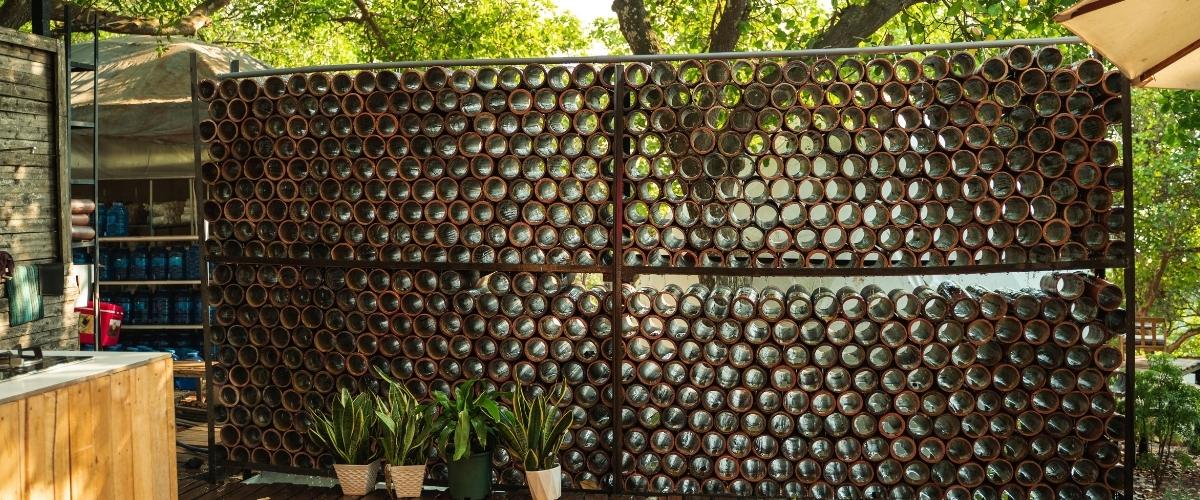





Construction has a waste problem. From demolished concrete and surplus timber to discarded bricks and glass, valuable resources often end up as waste. But the industry is beginning to rethink that linear approach. Sustainable construction materials are becoming part of a more circular model where materials stay useful for longer.
What Are Sustainable Construction Materials?
Sustainable construction materials are materials designed, sourced, manufactured, or reused with lower environmental impact across their lifecycle. This can include recycled aggregates, reclaimed timber, recycled metals, low-carbon concrete, and bio-based alternatives.
The shift matters because buildings consume significant amounts of raw materials and generate substantial construction and demolition waste. Instead of treating waste as the end of a material’s journey, circular construction looks for ways to keep those resources in use.
How Is Circularity Changing Building Materials?
Circularity changes the question from “What material should we use?” to “How can we keep this material useful?”
Manufacturers are increasingly developing sustainable construction materials that incorporate recycled or recovered resources. Recycled concrete aggregates, for example, can replace part of the virgin aggregate used in new construction. Reclaimed bricks and timber can also find new applications rather than going directly to landfill.
This approach can reduce demand for virgin resources while creating new opportunities for material recovery.
Can Construction Waste Become a Resource?
Yes, when projects design for recovery from the beginning.
Deconstruction, material sorting, reuse platforms, and material passports can help identify what a building contains and what can be recovered later. Digital tools can also improve material tracking and help project teams make more informed sourcing decisions.
This makes sustainable construction materials part of a broader strategy rather than simply a product choice.
What Comes Next for Circular Construction?
The next phase could focus on designing buildings around material reuse from day one. Manufacturers may increasingly develop components that can be disassembled, repaired, reused, or recycled without significant loss of value.
For builders, this could create demand for sustainable construction materials that combine performance, durability, traceability, and recyclability.
Also Read: Why Builders Are Rethinking Concrete with Eco Friendly Construction Materials
Why Does This Matter for the Building Materials Industry?
Circular construction is pushing the building materials industry beyond traditional ideas of production and disposal. The focus is moving toward longer material lifecycles, resource efficiency, and smarter recovery.
Ultimately, sustainable construction materials can help turn construction waste into a source of future value, making circularity an important part of how the industry builds next.
