


Agribusiness Industries
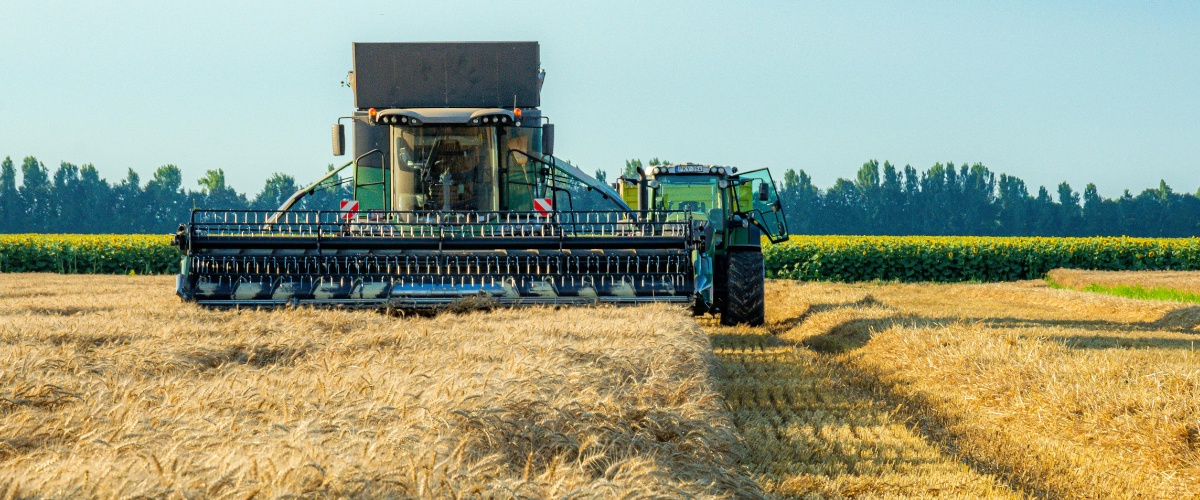
Image Courtesy: Pexels


Farming is becoming more data-driven, efficient, and sustainability-focused than ever before. Rising input costs, unpredictable weather, and growing environmental concerns are pushing farmers to rethink traditional practices. This is where precision agriculture technology is creating major change across the agribusiness industry.
Modern farms now use real-time data, automation, and connected systems to improve productivity while reducing waste. From water conservation to soil management, precision agriculture technology helps farmers make smarter decisions that support both profitability and sustainability.
Smart Irrigation Is Reducing Water Waste
Water management remains one of the biggest challenges in agriculture. Smart irrigation systems powered by precision agriculture technology help farmers monitor soil moisture and weather conditions in real time.
Instead of overwatering entire fields, farmers can apply water only where crops actually need it. This approach reduces water waste, lowers operating costs, and supports more sustainable farming practices.
Drones Are Improving Field Monitoring
Drone adoption continues to grow because farmers need faster and more accurate field insights. With precision agriculture technology, drones can monitor crop health, detect pest activity, and identify irrigation problems before they spread.
These aerial insights help reduce unnecessary pesticide and fertilizer use. Farmers can treat specific problem areas instead of applying chemicals across entire fields, which improves environmental sustainability.
AI and Data Analytics Are Supporting Better Decisions
Modern farms generate massive amounts of operational data every day. Precision agriculture technology uses AI and analytics tools to turn that data into actionable insights.
Farmers can predict crop performance, identify disease risks, and optimize planting schedules with greater accuracy. Better forecasting also helps reduce resource waste and improve long-term farm efficiency.
Soil Health Monitoring Is Becoming a Priority
Healthy soil plays a critical role in sustainable farming. Many growers now use sensors and digital mapping tools within precision agriculture technology systems to track soil conditions more closely.
These tools help farmers manage nutrients more efficiently and avoid excessive fertilizer use. Better soil management supports healthier crops while protecting the surrounding ecosystem.
Autonomous Equipment Is Increasing Efficiency
Automation is becoming another important trend in precision agriculture technology. Autonomous tractors, harvesters, and planting systems help farmers complete tasks with greater precision and less fuel consumption.
This technology improves operational efficiency while reducing labor strain and environmental impact. As sustainability goals become more important, automated systems will continue to play a larger role in modern agriculture.
Also Read: How Drone Technology in Precision Farming Improves Pest Detection and Crop Health
Conclusion
Sustainability is no longer just a long-term goal in farming—it is becoming a daily operational priority. Precision agriculture technology helps modern farmers reduce waste, conserve resources, and improve productivity without sacrificing environmental responsibility.
As AI, automation, and smart monitoring tools continue to evolve, precision agriculture technology will remain a key driver of sustainable and efficient farming practices for the future.
