


Chemical Industries
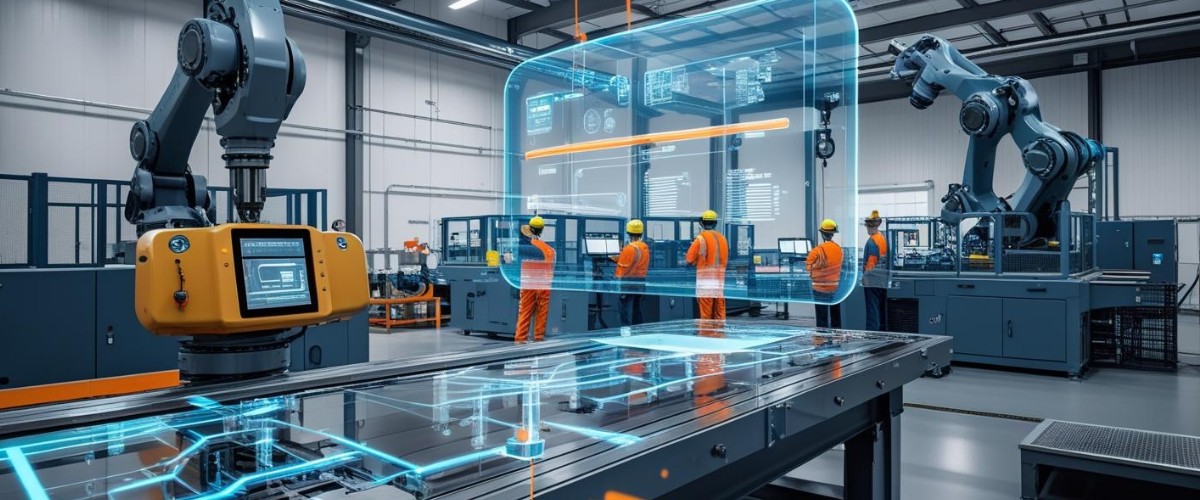
Image courtesy:Canva AI


For decades, industries that make chemicals and plant nutrients quietly powered almost everything we touch; from plastics and medicines to the fertilizers that help feed the world. But today, they’re suddenly facing a problem that can’t be solved with machines or automation alone: young people are simply not lining up to build their careers here.
The Talent Gap Isn’t Just Numbers
One of the biggest issues is demographic. A huge portion of the current workforce in chemical and related manufacturing is nearing retirement, especially people with decades of hands-on experience and deep technical know-how. In many companies, that expertise is disappearing faster than it can be replaced, including among organic fertilizer manufacturers that rely heavily on process knowledge and field-tested insights.
At the same time, fewer students are choosing the study paths that lead to these jobs.
Chemistry and chemical engineering enrolments have been shrinking in key markets, and even when young people graduate with the right degree, they’re often tempted by careers in tech, renewable energy, or other sectors that feel more exciting or offer different work styles.
The Work Itself Isn’t Always Appealing
A big part of the challenge comes down to image and perception. Many young job seekers see chemical manufacturing as an old-school industry, rooted in heavy production plants, strictsafety protocols, and long, structured shifts on site. That perception can make it harder for companies to compete with careers in tech, consulting, or sustainability-driven startups that promise flexible work, creative problem-solving, and quicker feedback loops.
When we pivot to agricultural sectors, like organic fertilizer production, similar forces are at play. Farming and agribusiness have struggled for years to attract young talent because of assumptions around low wages, rural isolation, or limited career growth. Even organic fertilizer manufacturers, despite operating at the intersection of science, sustainability, and innovation, often get lumped into outdated ideas about agriculture.
Modern organic fertilizer manufacturing is far from purely manual labour. It increasingly involves soil microbiology, data-driven formulation, environmental monitoring, and compliance with evolving sustainability standards. But those realities are not widely understood.
Purpose and Sustainability Matter But Not Enough Yet
There is a massive shift among young professionals towards work that feels purposeful and socially meaningful. Recent research shows that sustainability and environmental impact are major factors in career decisions, especially in chemical-related fields. Yet perception hasn’t caught up with reality. Many still view chemical manufacturing as harmful or disconnected from climate and ecological goals.
This is where organic fertilizer manufacturers have a real opportunity. Their work directly supports soil health, reduces chemical runoff, and contributes to regenerative food systems. The challenge is visibility. Unlike tech startups with polished branding and constant social media presence, the impact stories of sustainable chemistry and organic agriculture rarely show up in classrooms, career fairs, or online spaces where young people spend time.
Skills Mismatch and the Future of Work
Another barrier is skills alignment. Today’s roles, across chemical production and organic agriculture, demand digital literacy, systems thinking, and cross-disciplinary knowledge. Many graduates don’t feel prepared because their education lacked hands-on training, modern tools, or exposure to real industrial settings.
And that’s a missed opportunity. The future could be genuinely exciting: precision formulation of bio-based inputs, AI-assisted process optimization, and smart manufacturing systems that reduce waste and emissions. For organic fertilizer manufacturers, this future blend technology with environmental stewardship in ways that align strongly with what younger professionals care about, if they’re shown the path.
What Can Shift the Curve?
The solutions are already emerging in pockets around the world:
• Stronger partnerships between schools and industry to offer real-world apprenticeships
• Clear storytelling about the purpose and impact of careers in sustainable chemistry and organic agriculture
• Investment in flexible work environments and continuous learning
• Reimagined roles that balance technology, creativity, and environmental responsibility
Companies that move early won’t just fill open positions. They’ll build a workforce that sees chemical production and organic fertilizer manufacturers as relevant, future-facing, and genuinely worth committing to long-term careers.
