


Building Materials Industries
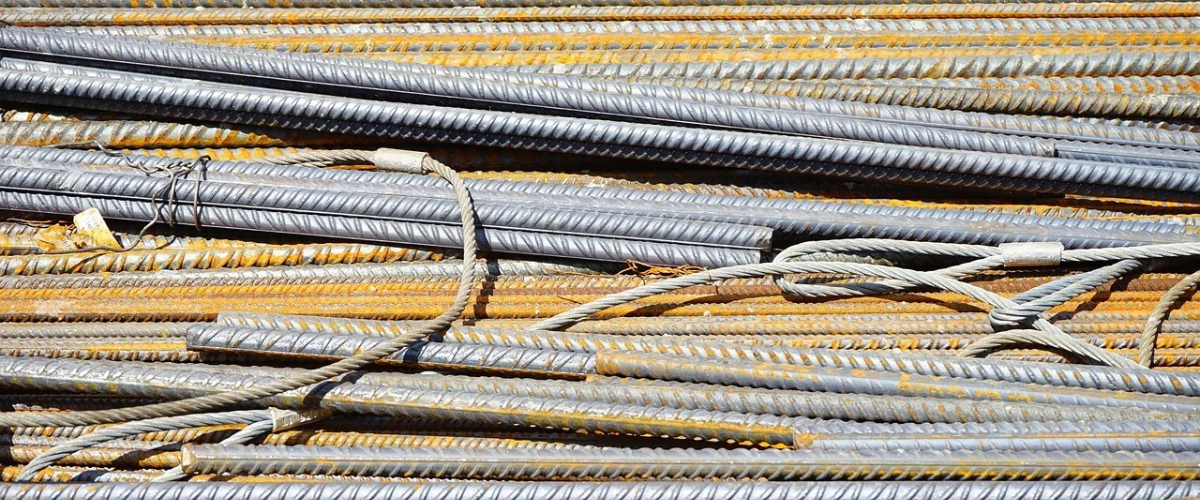
Image Courtesy: Pixabay


Most lists of sustainable building materials include recycled steel, yet few explain how it got there. The answer starts with rebar and the small mills that big steelmakers once ignored. Here is how they disrupted the industry and what that teaches green construction today.
What Did Minimills Change About Steelmaking?
Minimills changed the raw material. Integrated mills start with iron ore and coke in blast furnaces. Minimills melt scrap, such as old automobiles and demolished beams, in electric arc furnaces (EAFs). Nucor helped prove the model in the late 1960s with a South Carolina bar mill, and rivals followed because an EAF costs far less to build and run.
Why Did the Disruption Start with Rebar?
Rebar carried the thinnest profit margins in steel, so big mills gave it up with little resistance. Harvard professor Clayton Christensen later made the story a classic case of disruptive innovation. Minimills climbed from rebar into bars and angles, then structural beams, and eventually sheet steel, as incumbents retreated to pricier products.
How Did Minimills Reshape Green Construction?
They made recycled content the norm instead of a premium. EAFs produced about 72% of the nation’s raw steel in 2024, according to the U.S. Geological Survey, and the American Institute of Steel Construction reports that domestic structural steel averages 93% recycled content. For builders, scrap-based steel makes it easier to:
- Earn recycled-content credits without special orders
- Cut embodied carbon compared with ore-based steel
- Recycle the same steel again without losing strength
What Can Today’s Green Material Makers Learn from Minimills?
The first minimills chased cheaper steel rather than a greener planet, and the environmental gains came free with the business model. That is relevant for makers of low-carbon concrete, bio-based insulation, and other sustainable building materials that still lean on green claims to win buyers. The smarter strategy is to identify a product incumbents undervalue, beat them on price and reliability, and let carbon savings follow.
Also Read: From Waste to Walls: How Circularity Is Transforming Sustainable Construction Materials
Will Sustainable Building Materials Follow the Minimill Path?
They can, if they compete as minimills did. Steel keeps improving because most EAF emissions come from an increasingly clean power grid. If you buy, specify, or make sustainable building materials, judge each option on cost, performance, and verified carbon data, and ask suppliers for product-specific environmental product declarations.
