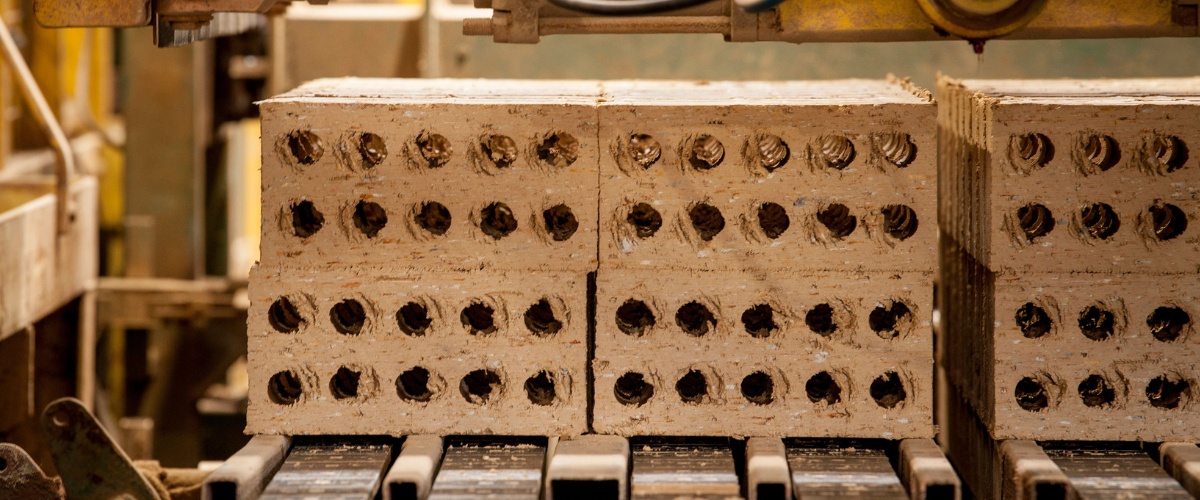





Extreme weather is no longer an occasional challenge for the construction industry. Rising temperatures, intense storms, flooding, and prolonged droughts are influencing how buildings are designed and constructed. As a result, architects, engineers, and developers are increasingly turning to eco friendly construction materials that can deliver both sustainability and resilience. Today’s eco friendly construction materials help buildings perform better under environmental stress while supporting long-term climate goals.
What Is Driving Demand for Eco Friendly Construction Materials?
Several factors are accelerating the adoption of eco friendly construction materials in modern construction projects.
Key drivers include:
- More frequent extreme weather events
- Stricter sustainability regulations
- Growing demand for climate-resilient buildings
- Rising energy efficiency standards
- Increased focus on lifecycle performance
These trends are encouraging builders to prioritize materials that can withstand changing environmental conditions.
How Do Eco Friendly Construction Materials Perform During Heatwaves?
Heatwaves can place significant stress on buildings and increase cooling demands. Many eco friendly construction materials are designed to improve thermal performance and reduce heat transfer.
Examples include advanced insulation products, reflective roofing systems, and sustainable wall assemblies that help maintain stable indoor temperatures. By improving thermal efficiency, eco friendly construction materials can contribute to occupant comfort while lowering energy consumption.
Can Eco Friendly Construction Materials Help Protect Against Flooding?
Flooding remains one of the most costly weather-related risks facing property owners. Modern eco friendly construction materials often feature enhanced moisture resistance and durability, helping structures recover more effectively after water exposure.
Materials such as recycled composite products, moisture-resistant insulation, and engineered wood solutions are increasingly being used in flood-prone regions.
Why Are Architects Choosing Eco Friendly Construction Materials for Resilient Design?
Design professionals are looking beyond initial construction costs and focusing on long-term building performance. Eco friendly construction materials offer advantages such as durability, reduced maintenance requirements, and improved environmental performance.
This combination allows architects to create structures that are both sustainable and better prepared for future climate challenges.
Also Read: How Recycled Materials Are Transforming Sustainable Construction Materials Innovation
Which Eco Friendly Construction Materials Are Leading the Market?
Several innovative eco friendly construction materials are gaining attention across the industry:
- Engineered timber products
- Low-carbon concrete alternatives
- Recycled steel solutions
- Bio-based insulation materials
- Sustainable roofing and façade systems
These materials support resilience goals while helping reduce environmental impact.
As extreme weather continues to influence construction priorities, eco friendly construction materials are becoming a critical part of modern building strategies. Their ability to support durability, efficiency, and climate adaptation is helping shape the next generation of resilient buildings designed for an uncertain future.
