


Building Materials Industries
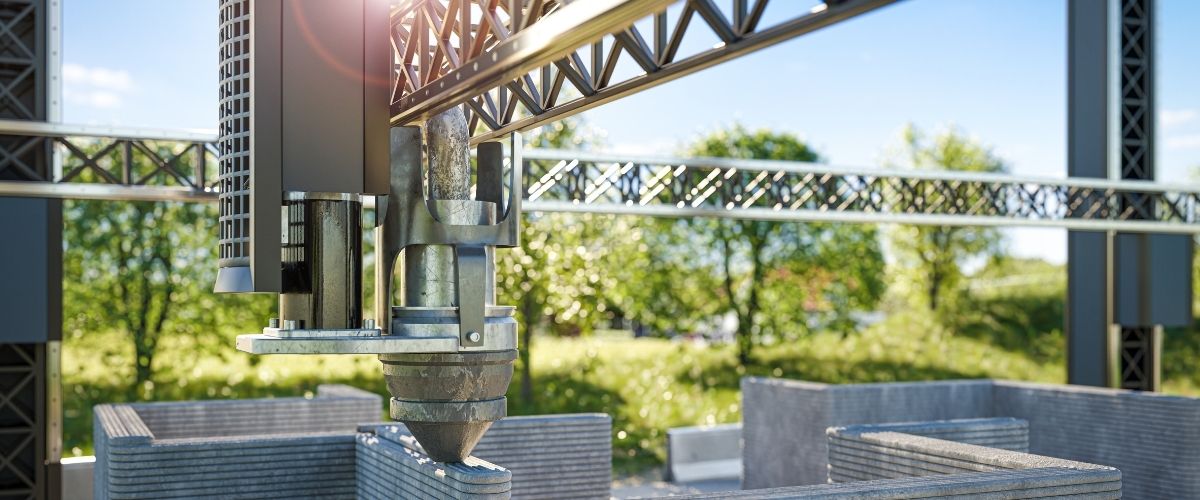
Image Courtesy: Shutterstock


Construction is entering a new era as 3D printing moves from experimental projects to real-world building applications. Instead of relying entirely on conventional formwork and manual processes, construction teams can use specialized printers to deposit concrete or other printable materials layer by layer. This shift is creating new opportunities for Building Innovation, from faster construction workflows to more flexible architectural designs.
How 3D Printing Is Transforming Building Innovation
Unlike traditional construction methods, 3D printing translates digital designs into physical structures through automated material deposition. This approach can reduce the need for formwork, simplify complex geometries, and potentially minimize material waste.
For manufacturers and construction companies, Building Innovation now extends beyond developing new materials to rethinking how those materials reach the construction site. Automated printing also creates opportunities to improve consistency and reduce certain labor-intensive tasks, although project outcomes depend on design, equipment, and site conditions.
Can 3D Printing Make Construction More Sustainable?
Material efficiency is one of the most promising advantages of 3D-printed construction. By placing material only where the design requires it, teams can reduce waste compared with some conventional building methods.
Researchers and manufacturers are also exploring printable mixes that incorporate supplementary cementitious materials, recycled components, and alternative binders. However, the environmental benefits depend on the material formulation, energy consumption, transportation, and the structure’s long-term performance.
These developments position 3D printing as a potential driver of more resource-conscious Building Innovation.
Unlocking New Possibilities in Architectural Design
3D printing can produce curved walls, intricate patterns, and customized structural forms that may prove difficult or expensive to create using traditional techniques.
Architects can experiment with geometries that respond to functional requirements, local conditions, and aesthetic goals. Digital design tools also allow teams to adjust building components before printing begins, helping connect design precision with automated production.
As printer capabilities improve, this combination of digital modelling and material engineering could expand the possibilities for Building Innovation.
Also Read: From Waste to Walls: How Circularity Is Transforming Sustainable Construction Materials
What Comes Next for 3D-Printed Construction?
Despite its potential, 3D-printed construction still faces challenges involving building codes, structural validation, material performance, equipment costs, and skilled operation. Printing also does not eliminate the need for foundations, reinforcement where required, utilities, roofing, or finishing work.
Continued advances in printable materials, robotics, and digital construction workflows could help address these barriers. As the technology matures, Building Innovation may increasingly combine automated fabrication with sustainable material development to make construction more adaptable, efficient, and design-driven.
